
By Annaliese Morgan
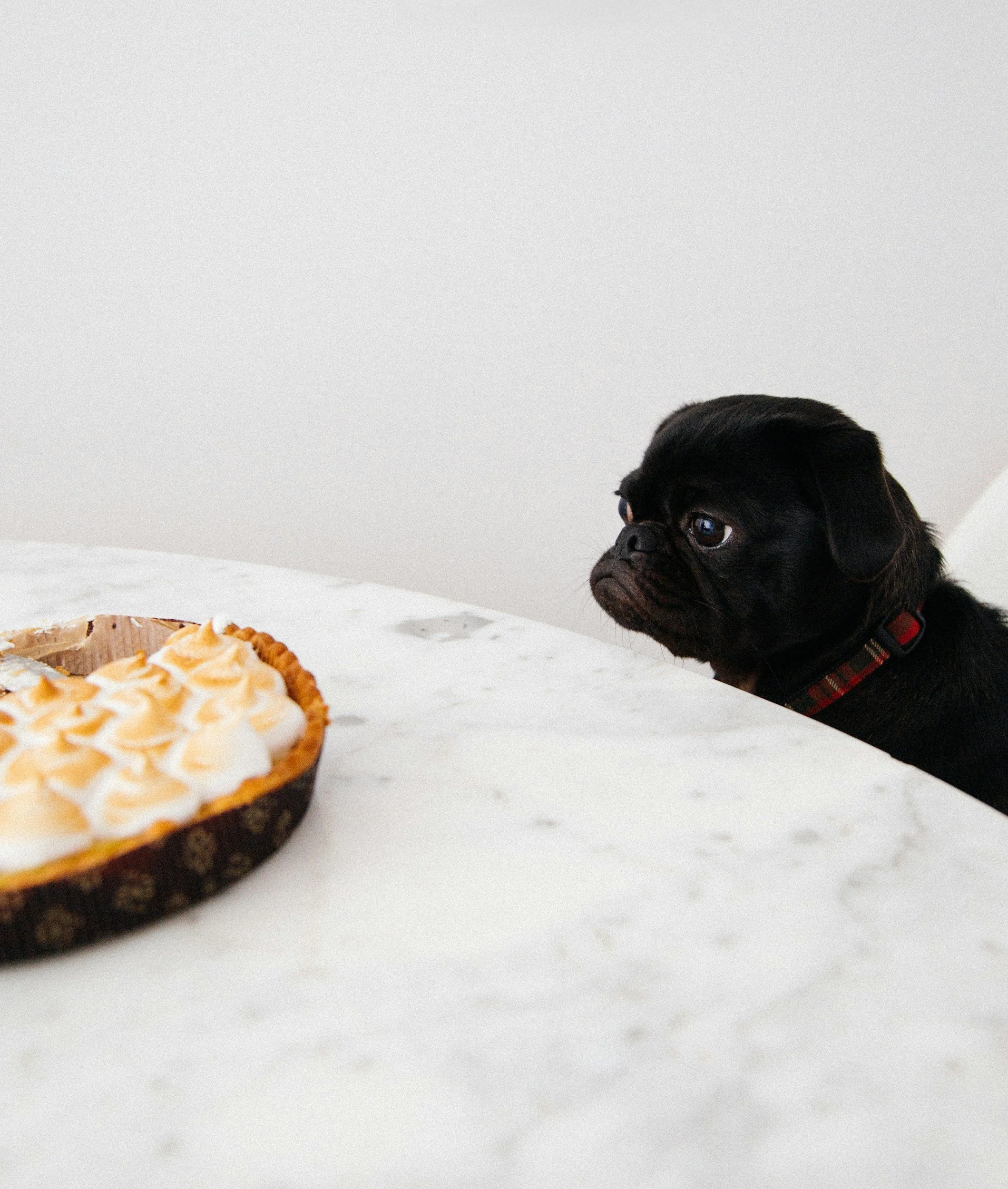
Thanksgiving is a wonderful time. It brings a busy home, food, familiar voices, and plenty of tempting smells for your pet! Keeping your dog or cat safe on Thanksgiving involves managing food access, the celebrations around your house, and safeguarding your home as best you can. While you're hosting or busy, unattended plates, food, decorations, outdoor gates, and well-meaning guests can put your dog or cat at risk. A little preparation and correct information can protect them throughout the holiday without taking away the fun.
Food
While we want to include our pet with the holiday’s activities (they are part of the fam after all), Thanksgiving dinner can be problematic for them, and so being forewarned is forearmed. It’s a day when bones, scraps and food are in abundance; below are some tips to help you keep your pet well and prevent overfeeding.
Overfeeding, even of their normal diet, can cause stomach aches, pain, bloating, not to mention vomiting, diarrhea or constipation, especially if they are overloaded with human food or fatty foods.
During preparation and the meal
Keep ingredients, pots and dishes away from counter and table edges. Don't leave serving platters unattended and refrigerate leftovers promptly in closed containers. Remember that a chair can give a cat easy access to the table, worktop or stove. Chairs also offer a quick leg up to dogs wanting to reach their goal.
Don’t drop extra bits of food as treats from the worktop or table during your fun or mealtime. Dispose of waste correctly rather than leaving it until later or offering your pet the scraps.
Bag up bones and place in the garbage right away. Don’t leave them lying around or in the kitchen trash … a determined pet will find a way to get to them.
Dessert
Desserts and cake are a firm favourite with many adults and children, but it’s worth noting desserts often contain toxic ingredients such as xylitol, raw egg and chocolate. Nuts and seeds can present a choking hazard, and nuts are also toxic.
Toxic foods
This is not an exhaustive list but does include some common culprits which are all capable of poisoning dogs and cats and/or causing gastrointestinal problems. Be extra cautious if you have these around home.
Chocolate, especially dark chocolate
Grapes, raisins, sultanas
Onion, garlic (careful with foods like stuffing and spices)
Raw yeast dough
Coffee granules
Bouillon cubes (contain very high levels of salt)
Gravy granules
Alcohol
Bones, particularly poultry ones as they can splinter, cause internal puncture wounds, tears or blockages
Artificial sweeteners such as Xylitol
Raw egg and raw meat can contain Salmonella
Milk (the lactose portion often causes gastrointestinal upsets)
Avocado
Chewing gum
Nuts
Ibuprofen/human medicines
This final tip is not food-related per se; but it does require attention – hot stoves.
Be sure to keep inquisitive noses, paws and especially curious cats, who can easily walk across hot stoves, away from the area. This will prevent burnt paws, noses, body burns and singed fur. Pots and pans can also tip over, causing fat and food to stick to their skin and fur. This causes painful burns of varying severity. Place pans if possible, on the back rings on the stove and turn handles away … towards the back or out of the way.
Safeguarding your home
Before anyone arrives, give your pet a comfortable place to settle or create a safe space for them where they can retreat to away from the crowd or the main bustle. Place bedding, a loved toy, fresh water, and a litter tray if needed in the dedicated area. Remember, stressed cats like to rest up high, so placing a few blankets or a small bed on top of a cabinet or closet might be helpful. Walk dogs regularly or give plenty of potty breaks in the yard. Do keep a check on them if they decide to stay in their safe space or room for the day. Let guests know that this space is off-limits.
However, if your pet decides to join in, supervise all interactions with children, even when your pet knows them. Children shouldn't hug, chase, or disturb an animal that's eating or sleeping. If your pet hides, stiffens, or tries to leave, give them space and quiet instead of encouraging more attention.
Check exterior doors and yard gates before guests arrive to prevent escapes. Ask visitors to watch for pets when entering or leaving, ensure gates lock or close properly and keep animals away from the entrance during busy arrivals.
Confirm that your pet’s identification tags show your current phone number. Also check that your pet's microchip registration has up-to-date contact details in case they do run out and get lost.
During the cleanup, use a secured trash container or place it behind a closed door and be mindful of cleaning fluids, which can cause both internal damage and chemical burns to the skin
Keep candles (the wax is toxic), electrical cords, floral arrangements, and small decorations out of reach. Cats in particular love anything dangly, shiny, or sparkly and if eaten, they pose a choking or foreign body risk. Avoid lilies and other poisonous plants in homes.
After dinner, check floors and low tables for dropped scraps, toothpicks, and other objects such as wrappers, string, burst balloons and other decorations.
If your town is cold, icy or snowy, then you may have antifreeze around. Keep it in a locked cupboard and out of reach of pets. Cats especially love the liquid due to its sweet taste and will happily drink it, but it is poisonous to them.
What to do if your pet ingests a harmful food or object
If your pet eats a risky food or object, contact veterinary help right away. Don't wait for symptoms before asking what to do. Even if you just suspect they may have, it is much better to still call for advice than ‘wait and see’.
Signs to watch for
Behavioural changes — either retreating or showing aggression
Nausea
Drooling and lip licking
Dehydration
Lack of appetite or interest in food
Coughing
Diarrhea
Vomiting
Abdominal discomfort and/or guarding
Bloating
Tremors or shivers
High temperature (fever)
Restlessness and being unsettled
Uncoordinated gait
Call your usual veterinarian or an emergency veterinary clinic and follow their instructions. You may prefer to call a pet poison helpline, which can also offer sound help. In the US, ASPCA Animal Poison Control is available at 888-426-4435; a consultation fee may apply. Have your pet’s species, weight, the item eaten, the estimated amount, and the time of exposure ready. Keep packaging or an ingredient list available.
If you didn't see what happened, explain what you found and what might be missing. Don't delay the call while trying to determine an exact amount.
Above all though, enjoy Thanksgiving; it’s a day meant for gratitude, joy and love, but do it with a safer plan if you have pets. Hopefully this blog has helped towards that. A great way to keep your dog or cat involved with the big meal is to make a special one for them from pet-safe food, pet-safe treats and maybe give them a food puzzle or new toy.
Alternatively, please reach out to a local vet or vet tech, as they will be more than happy to advise further.
Happy Thanksgiving!
Annaliese Morgan
Annaliese qualified as a veterinary nurse from Edinburgh and went on to attain a diploma in advanced veterinary nursing in surgery from London. Throughout this time, she worked in both small and mixed veterinary practices and gained head nurse status. Responsible for training other veterinary nurses, she also ran the nursing department, nurse clinics, and patient care protocols.
She has looked after 1,000s of patients and owners and created new higher-standard nursing regimes, whilst specializing in surgery and anesthesia. After being asked to co-author multiple veterinary nursing textbooks, Annaliese continued to write for further mainstream publications in the UK and USA and after twenty-plus years in both the veterinary and pet care professions, she hung up her scrub suit and now writes full-time.