
Pet Sun Safety for Hot Summers
By Annaliese Morgan
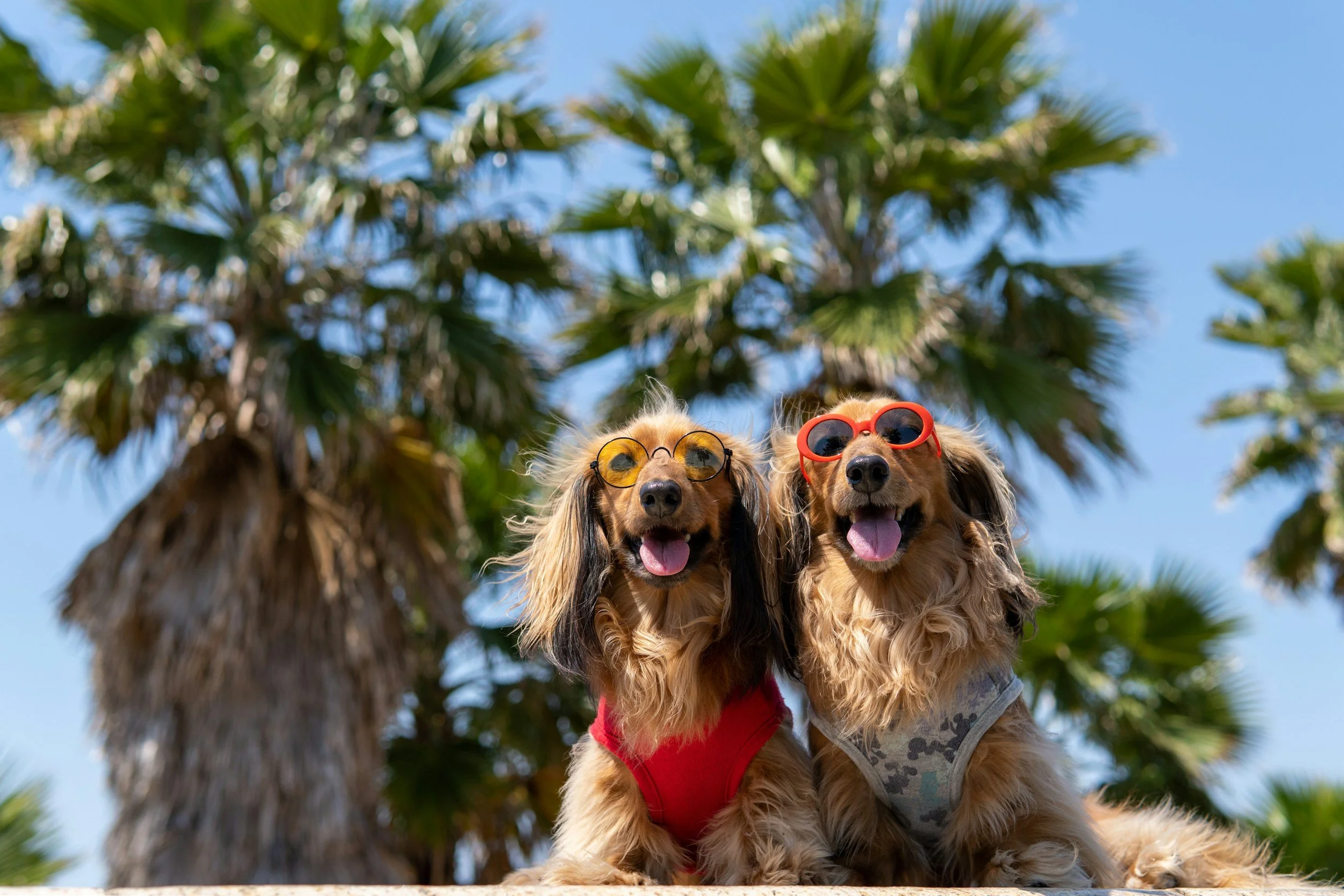
A sunny afternoon or a warm summer can feel harmless, but pets often get more sun exposure than owners realize. Walks, backyard play, beach trips, and even a quick stop in the car can all add up fast. Not to mention a few of our pets, are self-confessed sun junkies, who love nothing more than lying in the garden catching a few rays.
I may joke, but all the above matters because pets deal with heat and sunlight differently than people do. Burned paws, dehydration, sunburn, and heat related illness, ranging from overheating to life-threatening heatstroke. It can start sooner than many owners expect. Skin cancers are also a problem for many of our furry friends, an issue overlooked by many parents who are often unaware of this risk.
A few simple habits can keep dogs, cats, rabbits, guinea pigs, and other common pets safer when the sun has got its hat on and the weather turns all bright and hot.
Signs of a normal, healthy ear
Pets don't sweat like people do, i.e. mainly through their skin, as pets don’t have many sweat glands. There are a few in their paw pads, which can leave sweaty paw marks on surfaces, but these paw pad sweat glands contribute little to temperature regulation. Pets lose heat in different ways. Primarily, dogs mostly cool down by panting, while cats often look for cool, hidden places and may show distress about the heat later than you'd expect.
Their fur also doesn't solve every problem, either. A healthy coat provides some insulation and protection from UV radiation, but it does not prevent heat-related illness. Dense or matted coats may reduce airflow, while clipped, thin, or absent hair leaves the skin more vulnerable to sunburn. Ask your veterinarian or groomer before closely shaving a pet for summer.
Which pets are most at risk in hot, sunny weather?
All pets can suffer at the hands of UV rays, but some are at a higher risk than others, such as:
Short-haired pets
Light-colored pets
Hairless pets
Those with alopecia (bald patches)
Thin hair due to skin or hormonal conditions
This high-risk group burn more easily, especially on the nose, ear tips, belly, and any thin-fur spots, leading to skin burns, skin cancers, skin irritations and are also far quicker to overheat (suffer heat exhaustion) and dehydration.
Habitat, age and body shape matter too:
Puppies
Kittens
Senior pets
Overweight pets
Flat-faced breeds such as Pugs and British Bulldogs
Dogs who live outdoors
Security dogs
Rabbits, guinea pigs, and birds also face risk because hutches, kennels and cages warm up and retain the heat
This risk group become affected and stressed by the sun and heat far more quickly than others and often gets distressed. Younger and older individuals lose the ability to cope, as do overweight pets. Brachycephalic breeds (flat-faced dogs and cats) struggle because they find breathing and panting difficult in normal conditions; therefore, this is exacerbated in the heat, plus some of these breeds can often be overweight too due to over feeding and/or inadequate exercise. Outside pets and creatures are exposed more to the sun and heat than those indoors, likewise for security or guard dogs. Extra measures need to be in place for all these pets.
Signs of sun damage and heat exhaustion in pets
Bear in mind, early signs of sun damage can be easy to miss, so it’s worth familiarizing yourself with all the signs so you can act sooner rather than later, when sadly it can be too late. If you are unsure or you feel something is just off, trust your instinct (you know your pet best and) and have your vet check them over. It might be helpful for you to compare any new findings with the signs of a healthy pet.
Sun Damage
Licking one area of the body repeatedly
Limping after a walk
Scratching at red or pinkened skin
Being more tired or irritable than usual
Lethargy
Behaviour changes
Panting
Restlessness/uncomfortable
A sudden wish to hide from the sun.
Cats withdrawing and retreating more or hiding
Dogs slowing down long
Obvious red skin
Skin is sore to the touch or sensitive
Feel hot to touch
Noisy breathing
Signs of hyperthermia (heat exhaustion)
Panting
Noisy breathing
High temperature
Increased respiratory rate
Increased heart rate
Distressed
Dehydrated
Hot to touch
Bright red gums
Gums are tacky-looking and to touch
Lethargy
Not eating or drinking
Confusion
Wobbly
Collapsed
Coma
Warning signs it is time to call the vet
Heat illnesses can move fast. If your pet seems off in the sun, trust your instinct and help them by using some of the tips from our hot weather hub. Call a vet promptly if you notice any of these signs, which indicate a worsening condition:
Heavy panting that doesn't settle after rest
Thick drooling or dry, sticky gums
Weakness, wobbling, or trouble standing
Vomiting or diarrhea after heat exposure
Confusion, staring, or unusual quietness
Bright red gums, collapse, or loss of consciousness
Crusty scabs on the ears, nose or thick-haired patches
Move your pet to a cool place while you call your practice for advice. Offer small amounts of water if they're awake and able to drink, but don't force it. Follow the guidance given.
How to keep your pet safe in the summer or hot months
A one-size-fits-all routine rarely works in these conditions. Each pet requires different help and measures to be put in place. Consider your lifestyle, environment, routines and your pet and then choose and mix suggestions from the guide below that work best for your personal combination.
Note this list is not exhaustive, but if you are unsure of which ones to apply to your circumstances, please ask your vet or vet tech, they will be happy to help.
Keep walks short and frequent, avoiding the hottest parts of the day.
Go out for longer walks early morning and late evening.
Remember, sidewalks, the road, stone paths, tracks, sand and turf all get hot enough to burn their paws. If the ground feels too hot for your hand after five seconds, it is too hot for paws and can burn the pads. Check pavement with the back of your hand as a rough guide, but remember that surface temperature varies and the test cannot guarantee that a surface is safe. Choose shaded routes, grass, or protective booties when appropriate.
Use air conditioning in the home and car.
Close window shutters and blinds/drapes to keep heat out of the house.
Ensure good ventilation is provided too.
Don’t leave them in direct sunlight or the car (even if you are just nipping in to the store for a few minutes).
Keep your pet in the shade as much as possible, use buildings, trees or woodland as shade.
Utilize garden umbrellas, gazebos, and canopies - all work well. Even small rain umbrellas stuck in the ground provide shade for small dogs and cats while creating pretty and colorful gardens!
Paddling pools filled with cool (not ice-cold) water in the shade are brilliant and fun too!
Remember, hutches, kennels and cages all heat up extra fast and need protection from the sun by being placed in the shade.
Provide fans.
Fresh water must be available at all times; leave extra bowls or dishes around indoors and outdoors.
Leave extra water bowls of water outside your home or business for pets passing by or for street pets… be kind!
Use sunscreen on any bald areas, tips of the ears and noses. Use a pet sunscreen, not a human one, and avoid any with zinc oxide, as this can be toxic. It does not need applying to fur as this has its own funky natural sun protection
UV-protective garments may help selected pets, but they must be lightweight, well fitted, and used only under supervision. Remove them if the pet appears warmer, distressed, or uncomfortable. Choose light colors ideally and items that don’t add to the heat
Use a pet visor or pet sunglasses to protect the eyes and face.
Try cooling mats or hot water bottles filled with cold water.
Keeping their weight within the ideal range, overweight pets struggle far more in the heat, and it increases their risk of sun damage and heat exhaustion.
Plan ahead, especially if heatwaves are coming!
Annaliese Morgan
Annaliese qualified as a veterinary nurse from Edinburgh and went on to attain a diploma in advanced veterinary nursing in surgery from London. Throughout this time, she worked in both small and mixed veterinary practices and gained head nurse status. Responsible for training other veterinary nurses she also ran the nursing department, nurse clinics, and patient care protocols.
She has looked after 1,000s of patients and owners and created new higher standard nursing regimes, whilst specializing in surgery and anesthesia. After being asked to co-author multiple veterinary nursing textbooks, Annaliese continued to write for further mainstream publications in the UK and USA and after twenty-plus years in both the veterinary and pet care professions, she hung up her scrub suit and now writes full-time.